Gardener Dulwich — Recycling and Sustainability for Greener Gardens
Welcome to our overview of how Gardener Dulwich approaches recycling and sustainability across all garden services. We design an eco-friendly waste disposal area as standard for every site we maintain, turning garden refuse into resources. Our aim is to build a resilient, low-impact gardening model that supports a cleaner Dulwich and neighbouring boroughs by reducing landfill, improving composting and promoting circular reuse within the community.Our strategy for sustainable garden waste management recognises local authority frameworks: many boroughs in and around Dulwich encourage separate streams for food and garden waste, paper, glass, metals and mixed recyclables. We mirror these separation practices on-site so that green waste and recyclable packaging are handled in line with municipal systems. By aligning with the Southwark and neighbouring boroughs' approach to waste separation, we make sure materials are collected for proper processing rather than being contaminated.
Targets and Performance: Measurable Recycling Goals
We have set an ambitious recycling percentage target: to reach a 75% reuse and recycling rate for garden and related waste by 2028. This target covers diverted green waste, woody material for chipping and mulching, and recyclable packaging from site operations. Our reporting uses simple metrics: weight of green waste collected, percentage sent to composting or anaerobic digestion, and material recovery rates for plastics, glass and metal from packaging. We publish progress summaries internally and review routes, container sizes and sorting practices quarterly to keep improving.To support on-the-ground practicality we use nearby local transfer stations and household recycling centres to avoid long-haul trips and reduce emissions. Where local transfer stations accept separated green waste and mixed recyclable loads, we route collections there directly; where not, we partner with trusted municipal contractors who consolidate materials at authorised transfer hubs. This reduces double handling and ensures that organic material finds its way to composting facilities or permitted anaerobic digestion plants.
 We also prioritise partnerships with charities and community organisations that give materials a second life. Our collaborations include donating usable plants, soil conditioners and reclaimed paving to community gardens and charitable projects across Dulwich and adjacent neighbourhoods. By working with social enterprises and local environmental charities we turn surplus turf, pots and gently used garden furniture into assets for community greening projects. These partnerships form a core part of our sustainable rubbish gardening area approach — keeping useful goods circulating locally.
Practical Recycling Actions and Logistics
On every job we focus on these priority actions:- Segregate green waste from mixed recyclables at source;
- Chip woody material on-site for mulch or biomass use;
- Separate and bag clean plastics, glass and metal packaging for municipal recycling;
Vehicle and route choices are central to our low-carbon promise. Our fleet includes low-carbon vans and hybrid vehicles used for most local rounds in Dulwich and neighbouring boroughs, supplemented by electric vans where feasible. We optimise routing to minimise mileage and idle time, schedule multi-site pickups to fill vehicles efficiently, and use payload planning to reduce the number of trips to transfer stations. This reduces emissions and lowers our operational footprint while maintaining timely service.
 Designing an eco-friendly waste disposal area on-site means creating clearly labelled zones for compostables, recyclable packaging and non-recyclable residues. We supply lockable, weatherproof containers and provide visual guidance so staff and clients know what goes where. Composting bays and covered bays for wood chippings keep materials dry and ready for processing, while designated storage for reusable items helps charities or community projects take goods directly without unnecessary handling.
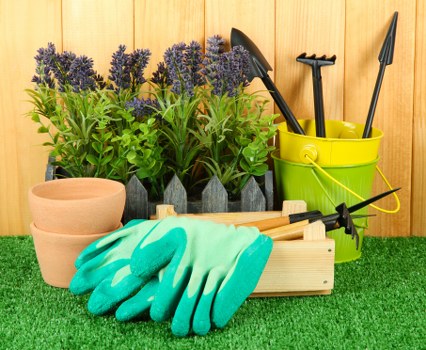 Our commitment to community engagement complements operational measures: we run occasional reuse days where residents and local groups can collect reclaimed soil, mulch or salvaged materials; we host demonstrations on composting and low-waste gardening; and we co-ordinate with borough waste initiatives to support local campaigns. These activities help cultivate a culture of sustainable gardening and responsible rubbish disposal across Dulwich.
Accountability underpins everything we do. We record tonnage and destination for green waste and recyclables, maintain invoices from transfer stations and receiving composting facilities, and review our progress against the 75% recycling target each year. Where gaps appear, we refine our separation protocols, increase staff training, or expand partnerships to find new end-uses for materials.
By integrating an eco-friendly disposal area into every site, encouraging reuse through charity partnerships, and running a low-carbon delivery model, Gardener Dulwich provides a practical blueprint for sustainable garden maintenance. Our approach is both pragmatic and aspirational: practical enough for everyday jobs, and bold enough to shift local practice toward circular, low-waste gardening.
We invite local groups and neighbours to observe our practices and consider similar measures for their gardens. Together, through better separation, stronger charity links and greener transport choices, Dulwich can become a model of sustainable garden waste management and a hub for community-led environmental improvement.