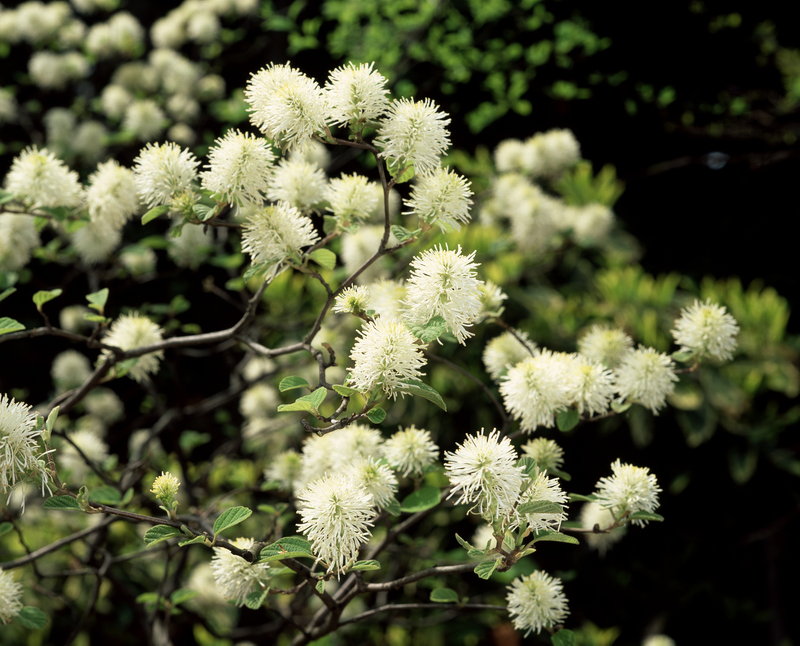
Feel Secure Outside: The Best Tall-Potted Plants for Shelter and Beauty
Feel Secure Outside: The Best Tall-Potted Plants for Shelter and Beauty
You want to step outside, breathe, and feel safe. Not watched. Not battered by wind. Just you, your cuppa, maybe a book, and a quiet corner that hugs you back. Tall-potted plants can do that -- they create shelter, give privacy, calm the noise, and look absolutely stunning while they're at it. In this long-form guide, we'll walk through everything you need to know to design that protected outdoor space -- from the best tall container plants for UK conditions to compliance, layout, pots, and maintenance. Think of it as your friendly expert map to feel secure outside without losing an inch of beauty.
We'll use practical steps, real-world examples, and the kind of tips you only get from years of growing, moving, and sometimes reviving plants in windy balconies, tight London courtyards, and coastal patios. To be fair, some of these lessons were learned the hard way -- a toppled pot, a thirsty bamboo, and one unforgettable gust on a fifth-floor terrace. You'll skip the mistakes. You'll keep the wins.
Table of Contents
- Why This Topic Matters
- Key Benefits
- Step-by-Step Guidance
- Expert Tips
- Common Mistakes to Avoid
- Case Study or Real-World Example
- Tools, Resources & Recommendations
- Law, Compliance or Industry Standards (UK-focused)
- Checklist
- Conclusion with CTA
- FAQ
Why This Topic Matters
Modern outdoor spaces are smaller, busier, and more exposed than ever. Terraces face crosswinds, patios look straight onto neighbours, and balconies can feel like stages. Yet the need to relax outdoors - safely, quietly - has never been greater. Tall-potted plants are a practical, beautiful solution. They provide a living windbreak and privacy screen while adding movement, birdsong, and seasonal interest. No planning permission needed in most cases, no permanent structures, and completely customisable to your style.
And here's the thing: a well-designed container screen solves several problems at once. It softens noise (not miracles, but noticeable), redirects wind, creates shade patterns, and frames the view. When you read "Feel Secure Outside: The Best Tall-Potted Plants for Shelter and Beauty," that's not just a slogan -- it's a promise of real, day-to-day comfort.
Small moment: last March, it was raining hard outside, and a client in Bristol texted a photo -- steam rising from a mug, raindrops ticking the bamboo leaves, everything else blurred. "Feels like my own little hideaway," she wrote. That's the goal.
Key Benefits
- Privacy without planning headaches: Plants generally don't require planning permission. For renters or leaseholders, they're moveable, reversible, and friendly to management rules.
- Wind diffusion and microclimate: Densely foliated screens reduce wind speed by breaking up flow. A semi-porous screen (roughly 40-60% density) typically performs better than a solid barrier, reducing turbulence and making the space feel calmer.
- Noise softening: While plants won't erase traffic noise, dense foliage plus strategic layout can reduce perceived noise and high-frequency harshness. Studies show modest reductions (often 3-5 dB) can feel significant to the human ear.
- Beauty and biodiversity: Flowers and berries feed pollinators and birds. Even a city terrace can host robins and butterflies when you stack the right species.
- Flexibility: Move pots with the seasons, adjust spacing, or change varieties as your taste evolves. No concrete, no permanent fencing.
- Year-round structure: Mix evergreens (for winter privacy) with deciduous textures and ornamental grasses for movement and light.
- Safer than tall hard screens: A living screen is less likely to create dangerous turbulence or violate sightlines compared to solid fences or trellises in exposed spots.
- Property value and curb appeal: Well-planted containers signal care and quality. Neat, mature planters can be an eye-catcher during viewings.
In short: secure, soft, and stunning. Clean, clear, calm. That's the goal.
Step-by-Step Guidance
This is your practical blueprint -- from choosing plants to keeping them happy all year.
1) Assess Your Space
- Orientation: South- and west-facing spaces get hotter and drier; north-facing require shade-tolerant plants. East-facing is often the sweet spot.
- Wind exposure: Higher floors and coastal locations need wind-tough species and heavier, broader planters.
- Size & access: Measure the tightest doorway or lift. A 60 cm diameter pot might not pass a 58 cm stair turn - it happens.
- Structure & load: Typical residential balconies are designed around 2.0-2.5 kN/m? live load, but always check your building's guidance. Wet compost is heavy (see weights below).
- Water access & drainage: Can you run a hose? Where does runoff go? Never allow water to pour onto neighbours' balconies.
2) Choose the Right Tall Plants
Match plant to place. Below are tried-and-tested container-friendly options for privacy, wind shelter, and beauty across UK conditions:
- Evergreen screens (year-round privacy):
- Laurus nobilis (Bay laurel) - formal, fragrant; great as standards or clipped cones. Pot: 45-60 cm wide.
- Griselinia littoralis - glossy, salt-tolerant; ideal for coastal. Pot: 50-60 cm wide.
- Photinia x fraseri 'Red Robin' (often trained as standards) - red spring flush; Pot: 50 cm+.
- Taxus baccata (Yew) - elegant, shade-tolerant; slow but superb. Pot: 50-70 cm; use free-draining mix.
- Pittosporum tenuifolium (e.g., 'Silver Queen', 'Screenmaster') - fast, light foliage, wind-tolerant.
- Clumping bamboos (movement + privacy):
- Fargesia robusta - upright, non-running, excellent screening in containers; H6 hardy. Pot: 50-60 cm wide, 60 cm deep.
- Fargesia rufa - graceful, arching, compact; great in troughs.
- Avoid vigorous running Phyllostachys in containers unless you're very experienced; they're thirsty and can lean.
- Architectural + wind-tough:
- Trachycarpus fortunei (Windmill palm) - hardy, dramatic; likes big pots and shelter at height.
- Cordyline australis - coastal vibe; choose multi-stems for balance. Pot: 50 cm+.
- Cupressus sempervirens 'Totem' - slim Italian cypress for formal rhythm; stake well in wind.
- Flowering evergreens and shade allies:
- Viburnum tinus - winter flowers, berries; shade-tolerant.
- Camellia japonica - glossy leaves, spring flowers; needs acid, ericaceous compost.
- Aucuba japonica - tough as nails, gold-splashed leaves; deep shade star.
- Sarcococca confusa - Christmas fragrance in tiny spaces; low but perfect front layer.
- Tall ornamental grasses (movement + sound softening):
- Calamagrostis x acutiflora 'Karl Foerster' - upright, wind-friendly.
- Miscanthus sinensis cultivars - taller, airy plumes; cut back late winter.
- Edible privacy (pretty and productive):
- Espalier apples or pears on trellis in troughs (choose dwarf rootstocks like M26 or M27).
- Olive (Olea europaea) - Mediterranean feel; needs free-draining mix.
- Rosemary standards and bay for height, scent, and supper.
Tip from the field: mix one evergreen screen with one bamboo and one flowering shrub per meter run for texture and all-season cover. It's like a band -- bass, rhythm, melody.
3) Select Containers That Don't Tip
- Size: For real shelter, think big. Most tall plants want 50-60 cm wide and 40-60 cm deep planters (minimum ~45-80 litres). Bamboos love 60+ litres.
- Shape: Wider bases resist wind better. Troughs (100-120 cm long, 40-50 cm wide) make superb screens.
- Material:
- Fibreglass/GRC: light, strong, frost-resistant.
- High-fired ceramic: beautiful, heavy; less likely to blow over.
- Timber troughs: warm look; line with pond liner, add feet to avoid rot.
- Metal (powder-coated steel/aluminium): sleek; watch heat in full sun.
- Weight maths: Moist compost is ~1.1-1.3 kg per litre. A 100 L trough can weigh 110-130 kg plus plants and the container itself. Always check balcony load guidance.
- Drainage: Always add drainage holes and raise pots on feet (10-15 mm) to prevent waterlogging and staining.
4) Potting Mix and Drainage
- Compost: High-quality peat-free mix, enriched with composted bark. For evergreens, mix 20-30% loam-based compost (like John Innes No. 3 style) for weight and nutrients.
- Mineral structure: Blend 10-20% horticultural grit or perlite for drainage, especially for bamboos and olives.
- Base layer myth: No need for a thick gravel layer; focus on holes and structure. A thin mesh over holes prevents compost loss.
- Mulch: 5-7 cm organic mulch (or mineral in high fire-risk settings) to reduce evaporation and splashing.
5) Planting Steps
- Pre-soak root balls for 10-15 minutes in a bucket if they're dry.
- Part-fill the pot, test height so root flare sits at or just above the finished surface.
- Tease out circling roots; use a clean root knife if needed.
- Backfill, firm gently, leaving a 2-3 cm watering lip.
- Water thoroughly until it runs from the base. Repeat once.
- Stake tall plants if windy; use soft rubber ties.
Micro moment: you'll hear the soil settle as the air pockets escape -- a faint, satisfying gurgle. That's the sound of roots getting room.
6) Irrigation and Watering Rhythm
- Manual: Deeply once or twice weekly in summer; less in spring/autumn; barely in winter (but don't let evergreens dry out).
- Automatic: Drip lines with a battery timer save holidays. For UK water regs, ensure a backflow prevention device when connecting to mains.
- Check with fingers: If top 5 cm is dry, it's time. A simple moisture meter can help -- not perfect, but useful.
7) Feeding & Root Health
- In spring, add a slow-release fertiliser (e.g., 12-14 month) and a light top-dress of compost.
- For bamboos and grasses, a high-nitrogen feed in late spring boosts growth.
- Refresh top 5-10 cm of compost annually; full repot or root prune every 3-4 years.
8) Layout for Shelter and Beauty
- Stagger & layer: Alternate heights to disrupt wind flow. Put the tallest at windward edge, step down with grasses.
- Porosity: Avoid a totally solid wall of leaves; 40-60% density works best for calm air.
- Gaps for access: Leave 60-90 cm clear for doors and furniture.
- Rhythm: Repeat species every 1-1.5 m for cohesion. Your eye relaxes when plants repeat.
9) Seasonal Care Calendar (UK)
- Late winter: Cut back grasses; repot if needed; sharpen secateurs.
- Spring: Feed, mulch, and water as temperatures rise. Prune photinia after the red flush.
- Summer: Water deeply; check ties; deadhead flowering shrubs if applicable.
- Autumn: Light tidy; protect pots' feet; check irrigation before frost.
- Winter: Shield roots in exposed sites with fleece or bubble wrap around pots (not on foliage); water evergreens during dry spells.
Expert Tips
- Pick clumping bamboos only: Fargesia stays polite in pots, won't invade, and handles UK cold better than many runners.
- Use troughs on castors (with brakes): Rotate with the seasons, wheel aside for parties, and clean underneath. Your back will thank you.
- Mix scents: Bay, rosemary, and Sarcococca near the door lift grey mornings. You'll notice.
- Balance height with base weight: Tall plants in light pots topple. Heavier compost, broader bases, and discreet anchoring plates help.
- Mind the view: Frame a skyline or tree you love. Hide the bins. You'll step outside more.
- Noise-softening layers: Combine a tall evergreen with a mid-layer of grasses and a textured ground layer. It breaks up echoes.
- Don't cram: Spacing equals airflow equals fewer pests.
- Test before you plant: Set empty pots where you think they go. Sit. Wait. Adjust. Then plant.
- Fire-aware mulching: On tower blocks or windy balconies, consider mineral mulches (slate, gravel) over bark.
- Winter watering is a thing: Evergreens in containers can dry out on sunny, cold days. Water lightly on frost-free mornings.
Truth be told, the best tip is simple: plant what makes you breathe out. Security is a feeling as much as a fact.
Common Mistakes to Avoid
- Undersized pots: A 20-30 cm pot for a tall shrub is a wobble waiting to happen. Go bigger than you think.
- Wrong bamboo: Running types like some Phyllostachys are thirsty, aggressive, and leany in containers. Stick to Fargesia.
- No drainage: Waterlogged roots lead to sudden plant collapse, especially in winter.
- Overwatering: Constantly wet compost suffocates roots. Let the top few centimeters dry between drinks.
- Mixing sun lovers with shade lovers: One will sulk. Group by light needs.
- Ignoring wind on high floors: Tall pots need heft, staking, or windward positioning.
- Neglecting weight limits: Especially on balconies. Do the sums, spread the load, get management approval.
- Using peat-based composts long-term: Sustainability aside, many peat-free mixes now outperform for structure and water-holding; peat bans are tightening too.
- Forgetting winter: Mediterranean species in exposed sites need drainage and occasional wrap on the coldest snaps.
Yeah, we've all been there. A little planning saves a lot of sighing.
Case Study or Real-World Example
Project: Sixth-floor London balcony, 1.2 m x 5.0 m, south-west facing, exposed to crosswinds. Client goal: "Feel secure outside" -- privacy from adjacent flats, calmer wind, and a green view from the sofa.
Planters: Three fibreglass troughs, 100 x 40 x 40 cm (approx. 120 L each) on locking castors. Pot feet added for drainage. Estimated trough plus wet substrate weight: ~150-180 kg each. Building manager confirmed balcony load guidance; planters spaced evenly along the wall to distribute weight.
Plants:
- Fargesia robusta (x3) for upright evergreen screening.
- Photinia x fraseri 'Red Robin' standards (x2) for height rhythm.
- Calamagrostis 'Karl Foerster' (x3) for movement and sound texture.
- Sarcococca confusa (x2) near the door for winter fragrance.
Irrigation: Battery timer with 4 mm drip lines, non-permanent connection to a balcony tap with backflow protection.
Results (3 months): Client measured with a simple phone app: perceived noise 2-3 dB lower at seating height, wind felt "less slashy" (technical term, honest), and privacy achieved even when seated. Birds found it within weeks. The best note? "We spend evenings out there now."
Cost (ballpark): ?1,200-?1,800 including planters, substrate, plants, and irrigation -- significantly less than structural screens and with better ambience.
Little human bit: on planting day the sky flipped from sun to rain in minutes. The first droplets hit the bamboo leaves and turned everything cinematic. No one rushed inside.
Tools, Resources & Recommendations
- Tools: Secateurs, loppers, hand trowel, root knife, moisture meter, spirit level, sack truck/dolly, gloves, soft ties, watering can or hose with breaker, drill (for pot holes), and pot feet.
- Materials: Peat-free compost, loam-based compost, horticultural grit/perlite, slow-release fertiliser, mulch (organic or mineral), frost fleece for winter, and castors if you plan to move troughs.
- Design helpers: A simple sketch of sightlines, sun angles, and wind arrows. It doesn't need to be pretty; it just needs to tell the truth.
- Trusted guidance: The Royal Horticultural Society (RHS) Plant Selector for UK hardiness and care; London Fire Brigade balcony safety advice; Wildlife and Countryside Act references for nesting birds and invasive species awareness; building management handbooks for balcony loads.
- Irrigation kit: Battery timer, pressure reducer, 13 mm main line, 4 mm drip lines, stakes, and a backflow prevention device to comply with UK water regulations.
Law, Compliance or Industry Standards (UK-focused)
- Planning and privacy: Plants rarely need permission, but permanent screens/fences may. For high hedges in gardens (over 2 m), Part 8 of the Anti-social Behaviour Act 2003 can apply if they create disputes; your council may mediate. Portable planters are generally fine.
- Balcony loads: Many UK residential balconies are designed around 2.0-2.5 kN/m?, but always check your lease/building rules. Spread loads, avoid clusters heavier than advised.
- Fire safety on balconies: Follow local guidance (e.g., London Fire Brigade): don't store combustible materials in volume, keep clear of escape routes, be cautious with barbecues and heaters. Consider mineral mulches in high-risk settings.
- Water regulations: If connecting irrigation to mains, ensure appropriate backflow prevention (WRAS-compliant components) to protect potable water.
- Peat policy: The UK Government has confirmed a ban on the sale of horticultural peat to amateur gardeners in England from 2027. Choose peat-free now; it's better for the bogs and your conscience.
- Wildlife and Countryside Act 1981: Don't disturb nesting birds. Plan significant pruning outside nesting season (generally March-August caution).
- Invasive species: Avoid species listed on Schedule 9 (e.g., Japanese knotweed). While most clumping bamboos are fine, dispose of plant waste responsibly.
- Professional works: For larger trees or specialist tasks, contractors should follow BS 3998:2010 (Tree work) and best practice for containerised planting; trees in hard landscapes reference BS 8545:2014.
None of this is to scare you. It's about planting smart and staying safe -- with beautiful results.
Checklist
- Measure space, doors, and access routes.
- Confirm balcony or terrace load allowances in writing if possible.
- Note sun, shade, and dominant wind directions.
- Choose 50-60 cm wide, stable planters (bigger for bamboo).
- Use peat-free, well-drained compost with 10-20% grit/perlite.
- Plant clumping bamboos (Fargesia) for safe, upright screens.
- Mix evergreens, grasses, and flowering shrubs for year-round cover.
- Install drip irrigation or set a watering routine.
- Mulch 5-7 cm and raise pots on feet for drainage.
- Stake tall plants; check ties twice yearly.
- Plan winter protection for exposed sites.
- Schedule seasonal maintenance: feed in spring, cut back grasses late winter.
Conclusion with CTA
Security outside is a feeling you can grow. With the right tall-potted plants, you can turn an exposed balcony, a see-through patio, or a noisy courtyard into a living cocoon -- private, comfortable, quietly beautiful. From clumping bamboos to glossy evergreens and shimming grasses, this is one of the most flexible, elegant ways to get shelter fast without building a thing.
Start small or go all-in; it's your call. Place a trough, breathe out, and watch the leaves move. A week later you'll wonder why you waited.
Get a free quote today and see how much you can save.
And remember -- the goal isn't perfection. It's peace. One green step at a time.
FAQ
What are the best tall-potted plants for privacy in windy UK spots?
Choose wind-tough evergreens and clumping bamboos: Fargesia robusta, Griselinia littoralis, Pittosporum tenuifolium (various cultivars), Photinia standards, and Taxus baccata in larger pots. Add Calamagrostis grasses to soften gusts.
How big should pots be for tall screens?
Generally 50-60 cm wide and 40-60 cm deep (45-120 L). Bamboos prefer 60+ L. Wider bases reduce tipping; troughs around 100 x 40 x 40 cm are great for consistent privacy.
Can tall-potted plants really reduce wind and noise?
Yes, to practical levels. Semi-porous planting reduces wind speed and turbulence, making spaces feel calmer. Dense, layered foliage can soften harsh frequencies and deliver small but meaningful noise reductions (often 3-5 dB).
Which bamboos are safe for containers and not invasive?
Clumping Fargesia species (e.g., robusta, rufa) stay compact and upright, making them ideal for pots. Avoid vigorous running Phyllostachys unless you can commit to frequent root checks and large containers.
What compost should I use?
High-quality peat-free compost mixed with 20-30% loam (for weight and nutrients) and 10-20% grit or perlite for drainage. Use ericaceous compost for acid lovers like camellias.
How often should I water tall containers?
In summer, deeply once or twice a week; in spring/autumn, reduce based on weather; in winter, water evergreens lightly during dry spells. Always check the top 5 cm -- if it's dry, water.
Will tall planters topple over in storms?
Not if sized and weighted correctly. Choose broad-based, heavy planters, avoid top-heavy layouts, add pot feet, and stake where needed. In very exposed sites, consider anchoring plates or sheltered placement.
What privacy plants work for shade or north-facing spaces?
Try Aucuba japonica, Sarcococca, Taxus baccata (yew), and Viburnum tinus. You'll still get evergreen cover and, in some cases, flowers and fragrance.
Do I need planning permission for tall-potted plants?
Generally, no. Planting in containers doesn't require planning permission. However, permanent screens or trellis additions may, and some leases specify what's allowed on balconies. Check building rules.
Are there edible options that still give privacy?
Yes: espalier apples/pears in troughs, olives, bay, and rosemary standards. Combine them with a background evergreen for winter coverage.
How do I move heavy planters safely?
Use a sack truck or dolly, choose castors with brakes for troughs, and never drag across waterproof membranes. If in doubt, get help -- backs are precious.
What about pests in container screens?
Encourage airflow and avoid overwatering. For aphids or scale, start with gentle options: a strong water spray, horticultural soap, or neem-based products. Always follow UK HSE guidance for plant protection products.
Can tall-potted plants survive UK winters?
Most listed here are hardy, but container plants feel cold more. Use larger pots, well-drained compost, and consider wrapping pots in deep freezes. Water lightly on frost-free days.
What's the best layout to "feel secure outside" in a small space?
Stagger tall evergreens on the windward side, layer with grasses and a scented shrub near seating, and leave a clear path to the door. Frame a view, hide the eyesores.
Is there a quick-start combination you recommend?
Yes: one trough with Fargesia robusta, a Photinia standard, and Calamagrostis 'Karl Foerster,' mulched and on feet. It's a classic "Feel Secure Outside: The Best Tall-Potted Plants for Shelter and Beauty" combo that works fast.
Any UK compliance tips in one line?
Check balcony load limits, use backflow protection on irrigation, avoid disturbing nesting birds, and choose peat-free mixes to align with UK policy shifts.
Design Your Secret Garden: Tall-Potted Plant Inspirations for Concealed Retreats or keep it simple and strong: either way, your outdoor peace is just a few planters away.