Best gardeners near Dulwich Picture Gallery for heritage gardens
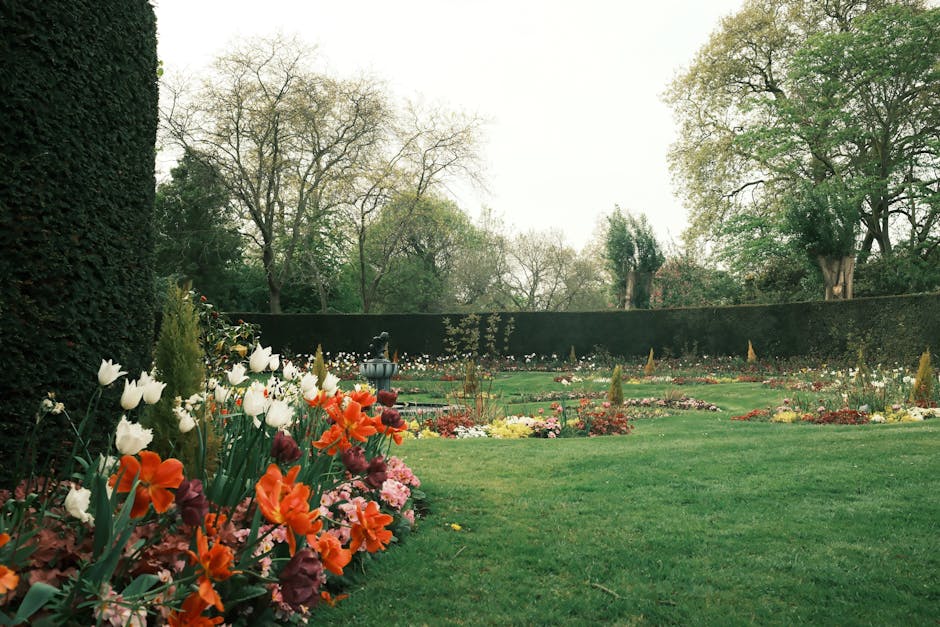
If you're looking for the best gardeners near Dulwich Picture Gallery for heritage gardens, you're probably after more than a quick mow and tidy. Heritage gardens ask for a lighter touch, a steadier eye, and someone who understands that old planting, mature trees, clipped hedges and historic layouts are not just "green space" but part of the property's character. Around Dulwich, that matters. The gardens feel lived-in, layered, and a bit proud of themselves, to be fair.
In this guide, we'll break down what heritage-minded gardening really involves, how to choose the right local team, what services are most useful, and which mistakes can quietly do damage over time. You'll also find a practical checklist, a comparison table, and a straightforward way to judge whether a gardener is a good fit for your garden's age, style, and upkeep needs.
Quick expert summary: the best gardener for a heritage garden is not always the one who does the most. It is usually the one who notices more, cuts less, and plans ahead.
Why Best gardeners near Dulwich Picture Gallery for heritage gardens Matters
Heritage gardens are often judged by the small things: the shape of a hedge line, the way a border settles after spring, whether a mature tree canopy still feels balanced, and whether paths and edging have been kept tidy without looking stripped bare. Near Dulwich Picture Gallery, many gardens carry that older, settled feel. They are not blank canvases. They have memory.
That is why the search for the best local gardeners is really a search for judgement. A good gardener knows when to prune, when to leave something alone, and when a "clean-up" would actually remove the soul of the place. That sounds dramatic, maybe, but anyone who has seen a mature shrub hacked into a cube will know the point.
For heritage gardens, the stakes are practical as well as aesthetic. Poor trimming can weaken old plants. Heavy-handed clearance can disturb wildlife habitats. Repeated shortcuts can slowly alter the structure of a garden that was designed to mature over decades. And once that character is lost, it is expensive and slow to rebuild.
If you want a service that can handle regular care without flattening the personality of the space, it helps to look for a team with a broad maintenance capability, not just one-off labour. That usually means a gardener who understands garden maintenance, can handle hedge trimming neatly, and knows when lawn care should support the design rather than dominate it. If a garden needs more than routine care, you may also want a team that can think through landscape gardening with a heritage sensibility.
How Best gardeners near Dulwich Picture Gallery for heritage gardens Works
In practice, heritage garden care starts with observation. The gardener should walk the site properly, notice what is established, what is fragile, and what is merely overgrown. Then comes the decision-making: what to preserve, what to restore, what to reshape, and what to leave for another season.
A well-run visit usually follows a pattern like this:
- Initial assessment. The gardener looks at beds, hedges, trees, turf, paths, drainage, and any decorative elements that need care.
- Prioritisation. Safety issues, damaged growth, and access problems come first. Heritage value comes next. It is often a balancing act.
- Care plan. The gardener sets out the work in a way that respects seasonality and plant health, rather than rushing through every task in one go.
- Execution with restraint. Cuts are measured, edges are clean, and clearance is selective instead of aggressive.
- Aftercare. The final part is easy to ignore, but important: feeding, mulching, watering, follow-up trimming, and noting what needs attention next time.
That approach matters because heritage gardens are not static. They evolve. The best gardeners near Dulwich Picture Gallery will know how to keep that evolution healthy. You want progress, yes, but not at the cost of old structure. Think of it like restoring a favourite jacket rather than replacing it with something shiny and new. Same item. Better shape.
For some homes, the work is regular and light-touch. For others, there may be bigger jobs such as garden clearance after years of buildup, selective tree work through tree lopping and removal, or careful improvements around hard surfaces with landscaping. The right gardener should be able to explain the difference between restoring order and overworking the site.
Key Benefits and Practical Advantages
Choosing a gardener with heritage-garden experience brings a few very real benefits. Some are visible immediately. Others only show up a few months later, which is usually how good garden work goes.
- Better plant health. Mature shrubs and trees respond better to thoughtful pruning than to random, hard cuts.
- Preserved character. The original rhythm of the garden stays intact, so the property keeps its sense of place.
- Cleaner presentation. Regular care keeps everything looking intentional rather than neglected.
- Fewer long-term repairs. Proper maintenance reduces the chance of avoidable damage to roots, stems, fencing, and paths.
- Improved usability. A well-kept heritage garden is easier to enjoy, whether you are hosting guests or simply opening the kitchen door in the morning.
- Better seasonal response. Gardens handled by someone who understands timing are more likely to flourish through spring growth, summer dry spells, and autumn leaf fall.
There is also a less obvious benefit: confidence. When you know your gardener understands older planting and established layout, you stop worrying quite so much every time a ladder comes out or a hedge is due for trimming. That peace of mind is worth something.
For busy homeowners, regular support can be the difference between a garden that gradually slips and one that stays quietly impressive. A dependable local team may also offer services like lawn mowing for formal grass areas, or a broader service mix through services overview so the work stays coordinated rather than piecemeal.
Who This Is For and When It Makes Sense
This kind of gardening support makes sense if your garden has any of the following:
- mature trees or shrubs that should not be cut back heavily
- older planting schemes with a formal or traditional layout
- historic or characterful boundaries, hedges, and garden structures
- stone paths, edging, decking, or hard landscaping that need careful maintenance
- a garden that has become overgrown but still has good bones
- a property where appearance matters because the garden is part of the home's charm
It is also a good fit if you are not looking for a one-off "tidy up" but for a relationship with a gardener who can learn the garden over time. That is often the real secret. Once someone knows how your yew hedge reacts in July, or which border prefers a gentler hand, the results get better and better.
If your garden includes timber features or outdoor living spaces, you may need adjacent help too. Some heritage gardens benefit from subtle repairs or additions such as decking services, especially where access or seating areas need to blend in without looking bolted on. Not every garden needs that. But when it does, the work should be quietly integrated, not showy.
And if you are in the middle of a bigger refresh, a team that can coordinate garden design changes with maintenance is usually easier to live with. Less back-and-forth. Fewer awkward half-finished corners. We've all seen those.
Step-by-Step Guidance
If you are comparing gardeners near Dulwich Picture Gallery, this simple process will help you choose well without getting lost in sales chat.
- Start with the garden itself. Make a short note of what needs protecting, what needs cutting back, and what feels tired or unmanageable.
- Decide whether you need maintenance or restoration. A heritage garden often needs both, but not always at once.
- Check for relevant experience. Ask whether the gardener has worked with mature planting, formal hedges, older lawns, or established borders.
- Ask how they approach pruning. The answer should sound measured, not dramatic. Heavy pruning is not a badge of honour.
- Look for a plan, not just labour. Good gardening is about sequence and timing. What happens now, what waits until next month, and what should be left for the right season?
- Discuss access and disposal. In a smaller London garden, where waste goes and how it is handled matters. Nobody wants a path blocked all afternoon.
- Request a clear quote. You should know what is included, what counts as extra, and whether follow-up work is likely.
- Book a first visit and review the results. A first job says a lot. Look at the finish, the tidiness, and whether the garden still feels like itself.
If the work is more substantial, it can help to ask about pricing and quotes before committing. Clear pricing is not just convenient; it is a sign that the company knows how to scope work properly. That tends to go hand in hand with better service, funny enough.
For recurring upkeep, many homeowners like to establish a rhythm with ongoing garden maintenance. In a heritage setting, consistency often beats occasional heroics.
Expert Tips for Better Results
Here are a few field-tested habits that make a real difference in heritage gardens.
- Prune for shape, not just size. Reducing a plant is not the same as improving it.
- Respect seasonal timing. Many mistakes happen because work is done on the wrong side of the weather.
- Keep old structure visible. Mature lines, paths, and specimen plants often give the garden its strongest identity.
- Use selective clearance. Take away only what is blocking growth, access, or the original design.
- Mind the edges. A crisp edge can lift an entire garden without making it look overdone.
- Think in layers. The best heritage gardens often look good because the gardener has maintained height, mass, texture, and open space in balance.
One practical tip that often gets missed: keep a simple seasonal note. Nothing fancy. Just a short record of what was pruned, what flowered well, what struggled, and what looked too hard-cut. It sounds almost too basic. Yet it saves time, money, and guesswork later.
And if a gardener seems eager to "modernise" everything in one go, pause. Ask why. A good answer will be specific. A poor answer will sound like a showroom pitch.
Best practice in a heritage garden is usually restraint plus consistency. Not dramatic intervention. Not neglect. Just steady, observant care that protects the garden's age and shape while keeping it healthy.
Common Mistakes to Avoid
Heritage gardens often suffer from the same few mistakes. Knowing them in advance helps you spot trouble early.
- Cutting too hard too quickly. This can shock plants and strip away the look the garden has built over years.
- Ignoring the original layout. A garden can become visually confused if paths, beds, and hedges are treated as separate chores rather than one design.
- Using the same approach for every plant. Different species, ages, and shapes need different handling.
- Letting maintenance slip into crisis work. Once a garden gets too far behind, the "simple tidy" becomes a bigger job.
- Choosing based only on price. Cheapest is rarely best in a heritage setting, because the hidden cost is usually the lost detail.
- Overloading the garden with changes. Too many new elements can make an old garden feel awkward and a bit characterless.
Let's face it, some of these mistakes happen because people are busy, not careless. A garden near Dulwich Picture Gallery can be easy to underestimate when life gets full. One wet winter, a few skipped visits, and suddenly there is more to undo than you expected. Happens all the time.
If the garden has become cluttered or difficult to manage, a careful garden clearance may be the right first step before any fine-tuning begins. Just make sure the clearance is selective. Heritage gardens are not scrapyards, and they are not blank slates either.
Tools, Resources and Recommendations
You do not need a huge toolkit to maintain a heritage garden well, but the right tools matter. Clean, sharp, well-maintained equipment makes gentler work possible. That usually means:
- secateurs for precise cuts on small stems
- loppers for thicker growth that still needs control
- hedge trimmers used with restraint, not in a rush
- lawns tools that keep grass neat without scalping it
- rakes and collection tools for tidy seasonal cleanup
- safe access equipment for taller work, used carefully and legally
From a homeowner's point of view, the most useful "resource" is a reliable service relationship. A gardener who knows your property can make better decisions than a fresh pair of hands every visit. If you are comparing providers, it can help to understand the company itself as well. A useful starting point is an honest look at the team's background through about us and the practical scope of what they offer in the services overview.
Where waste or removed material is involved, ask how it will be handled. Responsible disposal and recycling matter, especially on bigger jobs. If the company takes sustainability seriously, that is a good sign. You can often get a feel for that through pages such as recycling and sustainability. It is not glamorous, but it is part of good gardening. Very much so.
Law, Compliance, Standards, and Best Practice
For heritage gardens, legal and practical best practice usually sits around safety, property care, and sensible environmental responsibility. You do not need to become a compliance expert, but you should expect the gardener to work carefully and explain their methods clearly.
In the UK, a professional gardening service should be able to talk sensibly about risk awareness, safe use of equipment, insurance, and the handling of waste and access. For example, tree work or higher-risk pruning should not be treated casually. If a job involves ladders, power tools, or large branch removal, the company should be organised and cautious, not improvising on the day. That is just common sense, honestly.
Useful signs of a trustworthy provider include:
- clear explanations of what work is safe and appropriate
- evidence that the company takes insurance seriously
- proper care around tools, boundaries, and access routes
- transparent payment and quotation processes
- respect for privacy, complaints handling, and customer information
If you want to dig into the company's approach before booking, the pages on insurance and safety, health and safety policy, payment and security, and complaints procedure are the sort of detail that helps you make a steadier decision. Not exciting reading, perhaps, but very useful when you want peace of mind.
And if you value transparency, the company's legal pages, including terms and conditions and privacy policy, should be straightforward to find and easy to understand. That is part of good service, not an afterthought.
Options, Methods, or Comparison Table
Not every garden needs the same level of intervention. This table gives a simple way to compare the most common approaches.
| Approach | Best for | Strengths | Watch-outs |
|---|---|---|---|
| Routine maintenance | Gardens that are already in decent shape | Keeps heritage features tidy, affordable, predictable | Needs consistency; small issues can still build up |
| Selective restoration | Overgrown gardens with strong original structure | Recovers shape without stripping character | Needs a careful eye and clear prioritisation |
| Full clearance first | Very neglected spaces or major transitions | Creates access and reveals what is worth saving | Risk of over-clearing if heritage value is not respected |
| Combined maintenance and landscaping | Gardens needing both care and small design improvements | More coherent outcome, better long-term planning | Requires a team that understands both structure and detail |
If your garden is historically layered but simply tired, the second option is often the sweet spot. If it is functional but visually flat, routine care plus a little targeted landscaping may be enough. If it has been neglected for a while, start with honest clearance, then build back carefully. No rush. Well, some rush if a path is blocked, but not the rest.
Case Study or Real-World Example
Here is a realistic example based on the kind of work heritage gardens in this part of London often need.
A homeowner near Dulwich had a mature front garden with clipped hedging, old shrubs, a tired lawn, and a side passage gradually swallowed by cuttings and self-seeded growth. The space still had good bones, but it looked heavy. The important thing was not to reinvent it. The old layout worked; it just needed breathing room.
The gardener began with a gentle clearance of the side access so the garden could be reached safely. Then came hedge tidying, careful shaping of the border edges, and lawn recovery rather than a drastic re-lay. A few plants were lifted or lightly pruned to restore proportion. Nothing flashy. Just good, calm work.
By the end, the garden looked brighter and more open, but not stripped. The front boundary still felt established. The lawn looked cared for rather than forced into perfection. And the owner could see the structure again, which is often the biggest win in a heritage setting.
That kind of result is a good reminder that the best gardeners near Dulwich Picture Gallery are not only skilled with tools. They are skilled with judgement. Tiny difference. Massive impact.
Practical Checklist
Use this checklist before you book:
- Do they understand mature planting and heritage character?
- Can they explain how they prune without overcutting?
- Have they worked on gardens that need both maintenance and restraint?
- Do they offer clear pricing and a sensible scope of work?
- Do they discuss safety, access, and waste removal clearly?
- Can they handle tasks such as hedge trimming, lawn mowing, and selective clearance?
- Do they seem comfortable talking about seasonal timing?
- Will they preserve the garden's shape instead of forcing a new style onto it?
- Is there a straightforward way to contact them and follow up?
- Do they sound like they would notice the little things?
If you can answer "yes" to most of those, you are probably on the right track. If not, keep looking. Heritage gardens reward patience. They really do.
When you are ready to make contact, a simple first conversation through contact us is usually the easiest way to discuss the garden's condition, the kind of finish you want, and whether a one-off visit or ongoing support makes more sense.
Conclusion
Finding the best gardeners near Dulwich Picture Gallery for heritage gardens is about more than proximity. It is about care, timing, restraint, and a real understanding of how older gardens breathe over the seasons. The right gardener will make the garden look better, yes, but more importantly, they will help it remain itself.
That is the real test. Not whether the borders look aggressively neat on day one, but whether the space still feels balanced, welcoming, and rooted in its own history six months later. A heritage garden should never feel bullied into shape.
If you take one thing from this guide, let it be this: choose the gardener who listens first, cuts second, and thinks in years rather than hours. That is usually the one worth keeping.
Get a free quote today and see how much you can save.
Frequently Asked Questions
What makes a gardener suitable for a heritage garden near Dulwich Picture Gallery?
A suitable gardener understands mature planting, traditional layouts, and the need for restraint. They should be able to tidy and improve the space without removing its character.
Do heritage gardens need regular maintenance or occasional restoration?
Usually both. Regular maintenance keeps the garden healthy and manageable, while occasional restoration helps bring back structure if the space has started to drift or become overgrown.
Is hedge trimming safe for older, established garden boundaries?
It can be, as long as it is done carefully and at the right time. Heavy trimming can damage form and recovery, so an experienced gardener should explain how they plan to approach it.
How do I know if my garden needs clearance before maintenance?
If access is blocked, beds are swallowed by self-seeded growth, or you cannot see the original layout anymore, a selective clearance may be the right starting point.
Should I choose landscaping or maintenance for a heritage garden?
If the structure is sound but overgrown, maintenance is often enough. If the garden needs small improvements to layout, access, or hard surfaces, a little landscaping may help.
What should I ask before hiring a gardener in this area?
Ask about experience with mature gardens, pruning methods, pricing, safety, waste removal, and whether they can preserve the existing character of the site.
How often should a heritage garden be visited?
That depends on the size and growth rate, but consistency matters. Smaller, regular visits often work better than long gaps followed by heavy catch-up work.
Can lawn mowing be handled as part of heritage garden care?
Yes. A neat lawn can support the overall design, especially in formal or traditional gardens. The key is to keep the grass tidy without making it look over-processed.
What are the most common mistakes people make with older gardens?
The biggest mistakes are cutting too hard, ignoring seasonal timing, over-clearing, and choosing a gardener purely on price instead of judgement and experience.
How can I tell if a gardener really understands heritage planting?
Listen to how they speak about shape, timing, and plant health. Good gardeners will talk in practical, specific terms rather than offering generic promises.
What if my garden has both gardening and light landscaping needs?
That is very common. Many gardens need a mix of maintenance and small structural improvements, and it is usually better if one team can coordinate both.
Is it worth paying more for a specialist gardener?
Often, yes. In a heritage garden, careful work can prevent damage that would cost more to fix later. The cheapest option is not always the best value.
Some gardens only need a tidy hand. Others need a patient one. If yours sits somewhere in between, that is normal, and a good local gardener will understand exactly what to do next.